
Guide for International Students
Welcome to Montenegro
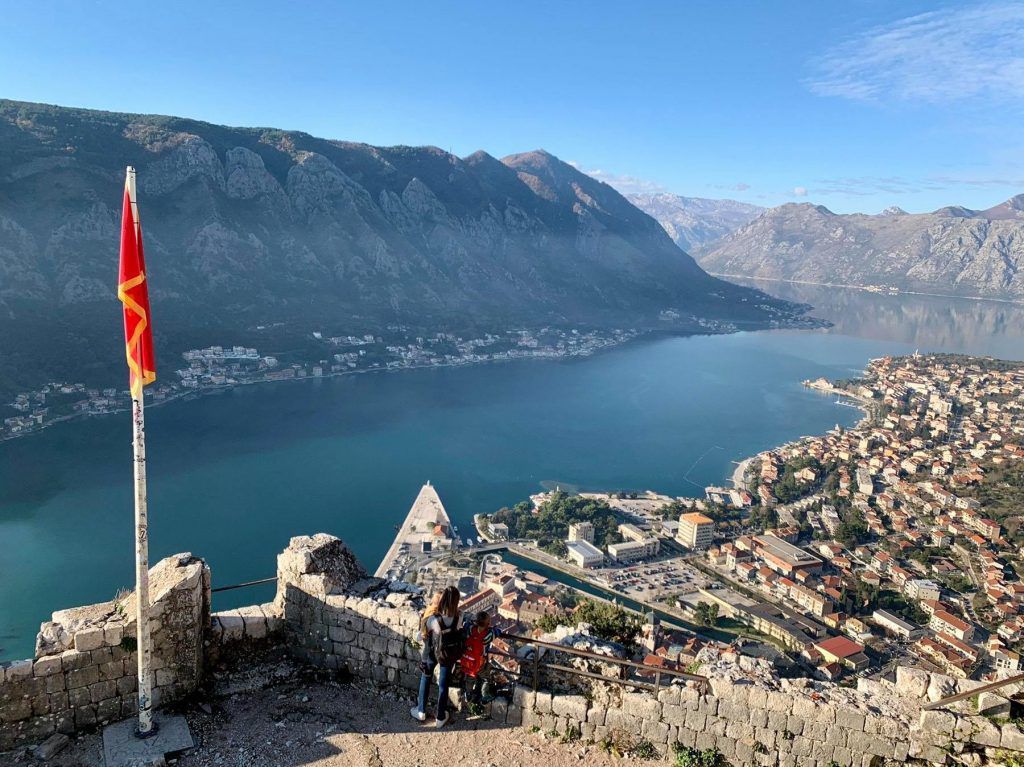
Montenegro is a small Southeast European country located on the Adriatic coast. Despite its size, it is known for its remarkable natural diversity, combining coastal landscapes, historic towns, and mountainous national parks.
The country has a population of approximately 620,000 people and uses the Euro (€) as its official currency. The capital city is Podgorica, while coastal towns such as Kotor are internationally recognized for their cultural and historical heritage.
Montenegro offers a safe and welcoming environment, making it an attractive destination for international students. Its Mediterranean climate, rich cultural traditions, and accessible cost of living create favorable conditions for both academic study and everyday life.
In addition to its educational opportunities, Montenegro provides students with easy access to outdoor activities, historic sites, and vibrant cultural events throughout the year.
Visas and Residence Permits
Citizens of many countries, including numerous European states, may enter Montenegro without a visa and stay for a period ranging from 30 to 90 days, depending on nationality.
To verify whether you require a visa to enter Montenegro, please consult the official website of the Ministry of Foreign Affairs of Montenegro and check the visa regime applicable to your country of passport.
If a visa is required, you must apply at the nearest Montenegrin diplomatic or consular mission prior to travel.
If you are eligible for visa-free entry, you may enter Montenegro without a visa; however, if you intend to stay longer than the permitted visa-free period for study purposes, you must apply for a temporary residence permit for education after arrival.
Useful Links
For official and up-to-date information regarding entry requirements, residence permits, healthcare, and other practical matters in Montenegro, please consult the following official resources.
Visa Requirements
Visa and Entry Requirements – Ministry of Foreign Affairs of Montenegro
https://www.gov.me/en/article/visas
Rights and Obligations of Foreign Citizens
Law on Foreigners – Ministry of Interior of Montenegro
https://www.gov.me/en/government-of-montenegro/visas-and-entry-requirements
List of Foreign Diplomatic and Consular Missions in Montenegro
Diplomatic Missions to Montenegro – Ministry of Foreign Affairs
https://www.gov.me/en/diplomatic-missions/diplomatic-missions-to-montenegro
Montenegrin Diplomatic and Consular Missions Abroad
Embassies and Consulates of Montenegro – Ministry of Foreign Affairs
https://www.gov.me/en/diplomatic-missions/embassies-and-consulates-of-montenegro
Emergency Services
General emergency number in Montenegro: 112
Ambulance: 124
Police: 122
Fire brigade: 123
Official Tourism Information
National Tourism Organization of Montenegro
https://www.montenegro.travel/en
This website provides useful information about destinations, culture, transportation, and travel throughout Montenegro.
Public Transportation Information
Montenegro Bus Station Information
https://busticket4.me
Students can use this platform to check schedules and purchase bus tickets between major cities such as Kotor, Podgorica, Budva, and Nikšić.
Arrival and Transportation
By Air
Montenegro is accessible through two international airports:
- Tivat Airport – Located approximately 15 minutes from Kotor. It is the closest airport to ICEPS Montenegro and operates numerous seasonal and year-round European routes.
- Podgorica Airport – Located near the capital, Podgorica, approximately 90 minutes from Kotor by car.
Both airports provide connections to major European hubs, especially during the academic year and tourist season.
By Bus
Montenegro has an established intercity and international bus network connecting major cities within the country as well as destinations across the Balkans and Europe.
Key bus operators include:
- Glušica
- Božur
- Blue Line
- FlixBus (international routes)
The main bus station serving Kotor provides regular connections to Podgorica, Budva, Tivat, Nikšić, and neighboring countries.
By Train
Rail transport in Montenegro is managed by Željeznički prevoz Crne Gore.
The most significant railway route connects:
- Bar – Podgorica – Bijelo Polje – Belgrade (Serbia)
The Bar–Podgorica–Belgrade railway line is considered one of the most scenic rail routes in Southeast Europe.
Discounts may be available for students depending on ticket type and seasonal offers.
City Transportation in Kotor
Kotor is a compact and pedestrian-friendly town. Most daily activities, including access to the institution, accommodation, supermarkets, and services, can be managed on foot.
Local transportation consists primarily of:
- Intercity and regional buses
- Taxi services
- Private transfers
There is no large-scale urban public transport system (such as trams or trolley buses) due to the size of the municipality.
By Taxi
Taxi services operate throughout Kotor and the surrounding coastal region.
Estimated pricing structure (indicative):
- Starting fare: approximately €1–2
- Price per kilometer: approximately €0.80–1.20
Prices may vary depending on time of day, season, and provider. Licensed taxis are regulated and metered.
Students are advised to use registered taxi companies or officially marked vehicles.
Accommodation and Living Expenses
Accommodation
Rental prices in Kotor and the surrounding coastal area vary depending on location, season, and apartment size.
For a one-bedroom apartment, monthly rent typically ranges between €300–450.
For larger apartments with two or more bedrooms, prices generally range between €600–900 per month.
Rental costs are usually higher in coastal cities such as Kotor, Budva, and Tivat, particularly during the tourist season, while inland cities may offer more moderate pricing.
For utilities (electricity, water, waste services, heating/cooling, and internet), students can expect to spend approximately €80–150 per month, depending on consumption and season.
ICEPS Montenegro provides guidance and support to assist international students in securing suitable accommodation in accordance with their needs and budget.
Student Support During Accommodation Search
Students may receive assistance from the institutional administrative team during the accommodation search process. Support may include:
- Guidance on rental contracts
- Communication with property owners
- Advice regarding documentation required for temporary residence registration
Early planning is strongly recommended, particularly for students arriving before the start of the academic year.
Estimated Monthly Student Budget Overview
(All amounts are expressed in euros € and represent estimated averages for one international student in Kotor.)
|
|
|---|---|
| Accommodation (1-bedroom apartment) | €300–450 |
| Utilities (water, electricity, waste, heating, internet) | €80–150 |
| Food and Groceries | €150–250 |
| Transportation | €20–40 |
| Mobile Plan | €10–20 |
| Leisure & Personal Expenses | €80–150 |
The total depends on accommodation choice, season (coastal prices may increase during summer months), and personal lifestyle preferences.
Students sharing accommodation can significantly reduce housing costs.
Health Insurance
Emergency Medical Assistance
Emergency medical assistance in Montenegro is available 24 hours a day.
The national emergency number for ambulance services is: 124
This service is accessible throughout the country.
Access to Medical Care
International students are entitled to urgent medical care during their stay in Montenegro.
The healthcare system is managed by the Ministry of Health of Montenegro.
Public healthcare services are provided through health centers, general hospitals, and the Clinical Center in Podgorica.
Healthcare coverage conditions may vary depending on bilateral agreements between Montenegro and other countries. Students are advised to verify whether their home country has a signed agreement regulating medical care coverage.
Health Insurance Requirements
All international students must possess valid health insurance covering the entire duration of their stay in Montenegro.
Students may:
- Use health insurance from their home country (if internationally valid and compliant with residence regulations), or
- Obtain private health insurance in Montenegro.
Proof of health insurance is mandatory for the approval of a temporary residence permit for study purposes.
Maintaining valid insurance coverage throughout the study period is compulsory.
Local Health Institutions
Primary healthcare services in Kotor are provided by:
Dom zdravlja Kotor
Address: Dobrota bb, Kotor
Phone: +382 32 325 602
For specialized and advanced medical services:
Clinical Center of Montenegro
Address: Ljubljanska bb, Podgorica
Phone: +382 20 412 412
Exploring Kotor
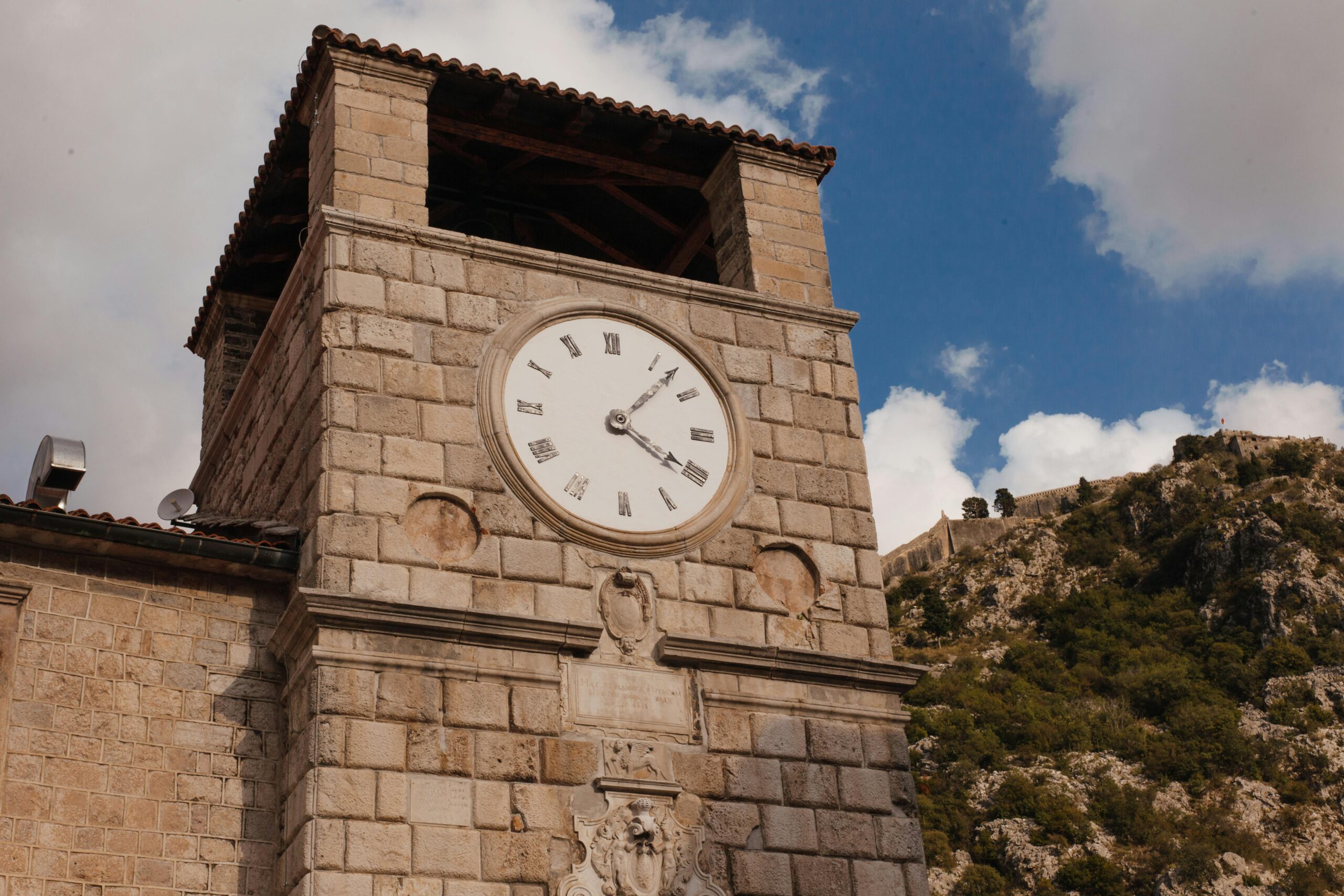
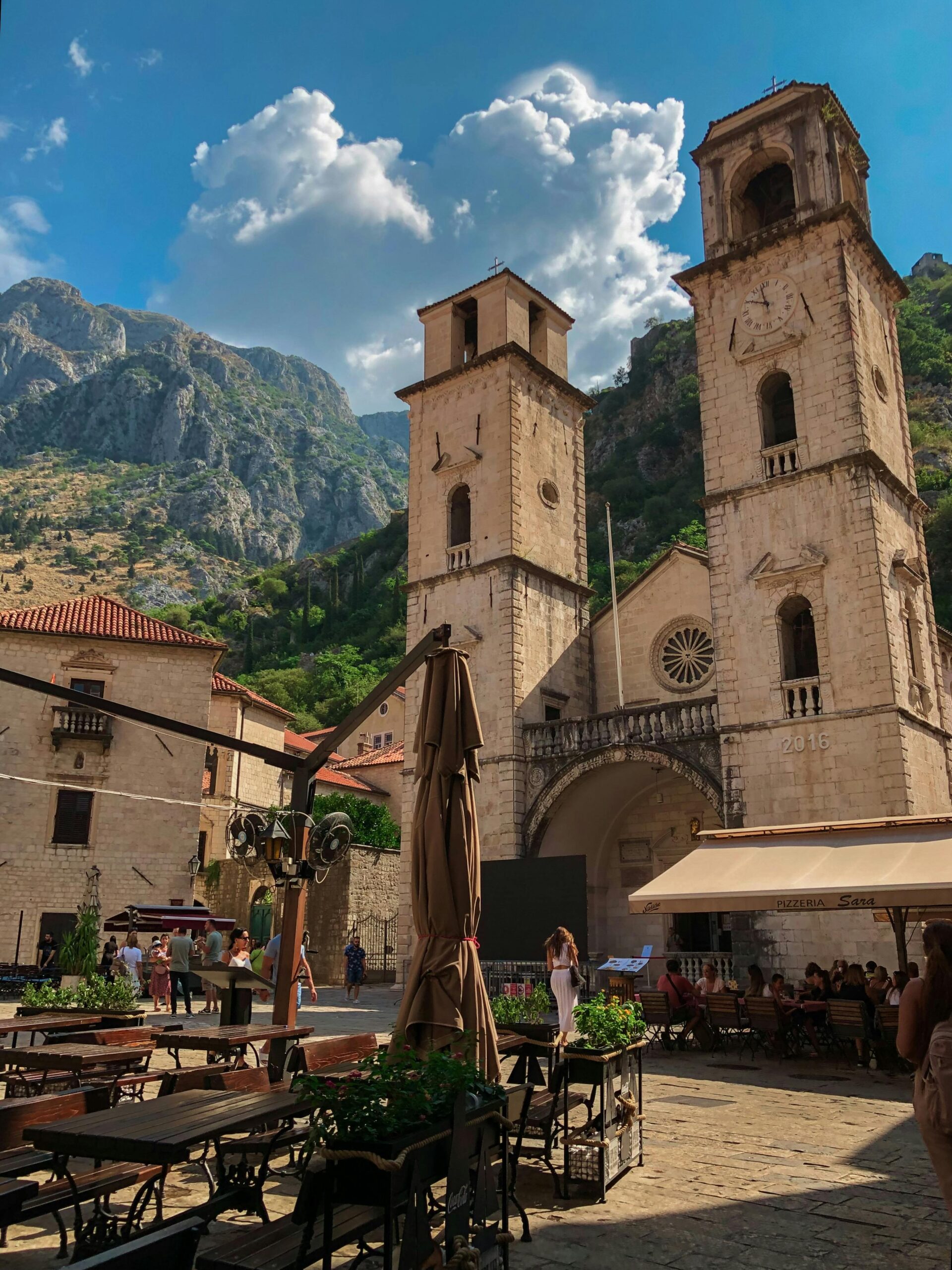
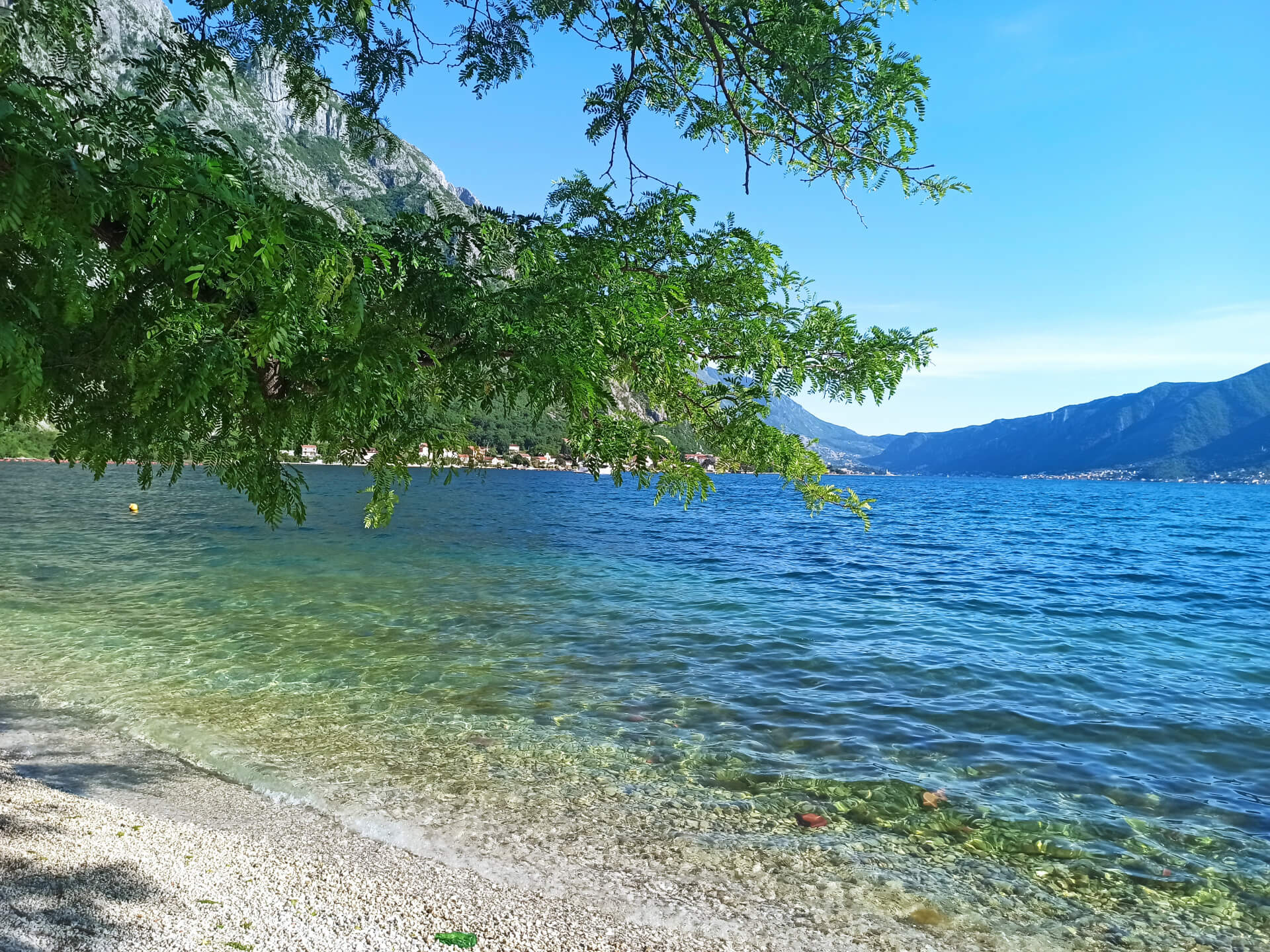
Kotor is a historic coastal town located in the Bay of Kotor and recognized as a UNESCO World Heritage Site. The city is known for its medieval architecture, scenic landscapes, and relaxed Mediterranean atmosphere.
Due to its compact size, most of Kotor can be explored on foot, making it an ideal place for students to combine academic life with cultural and outdoor activities.
Kotor Old Town
The Old Town is the cultural and historical center of the city. Within its medieval walls, visitors can explore numerous historic landmarks and charming public squares.
Key sites include:
- St. Tryphon’s Cathedral
- The historic Clock Tower
- Maritime Museum
- Medieval city gates
- Hidden squares and narrow stone streets
The Old Town also hosts cafés, restaurants, and small artisan shops, creating a lively social environment for students.
Kotor City Walls
One of the most iconic experiences in Kotor is walking along the historic city walls.
The climb to San Giovanni Fortress includes approximately 1,426 steps and offers spectacular panoramic views of the Bay of Kotor and the surrounding mountains.
This activity is particularly popular during early morning or late afternoon hours.
Beaches Near Kotor
Although Kotor is primarily known for its historic architecture, several small beaches are located within walking distance of the town center.
Students often spend their free time relaxing by the sea in nearby areas such as:
- Dobrota
- Orahovac
- Perast
These locations offer clear water, scenic views, and a calm atmosphere.
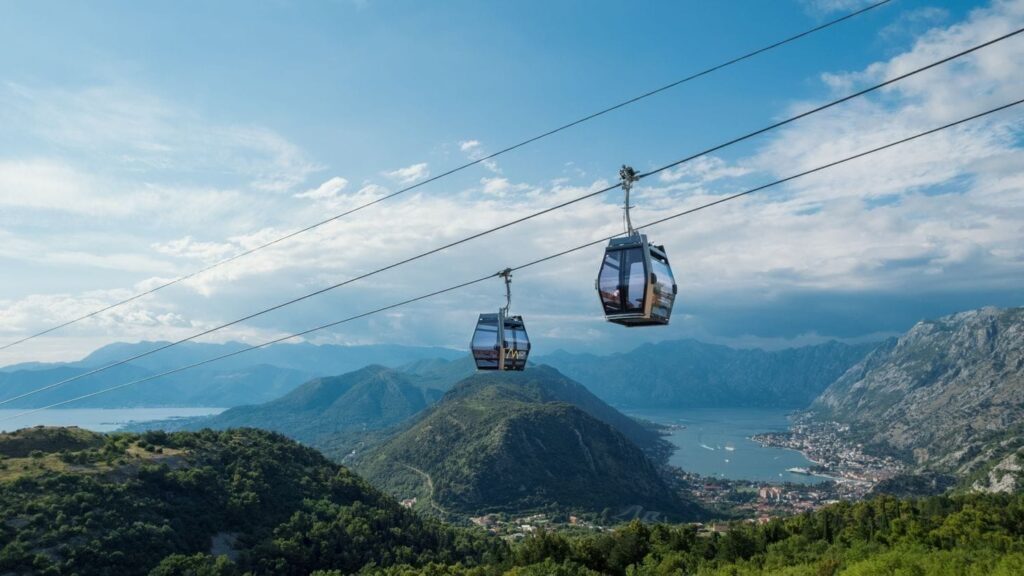
Kotor Cable Car
The Kotor Cable Car connects Kotor with Lovćen Mountain, offering one of the most impressive viewpoints in Montenegro.
At the upper station visitors can enjoy:
- Panoramic viewpoints over the Bay of Kotor
- Walking trails in the Lovćen mountain area
- Cafés and scenic rest areas
More information is available at:
https://www.kotorcablecar.me
Outdoor Activities
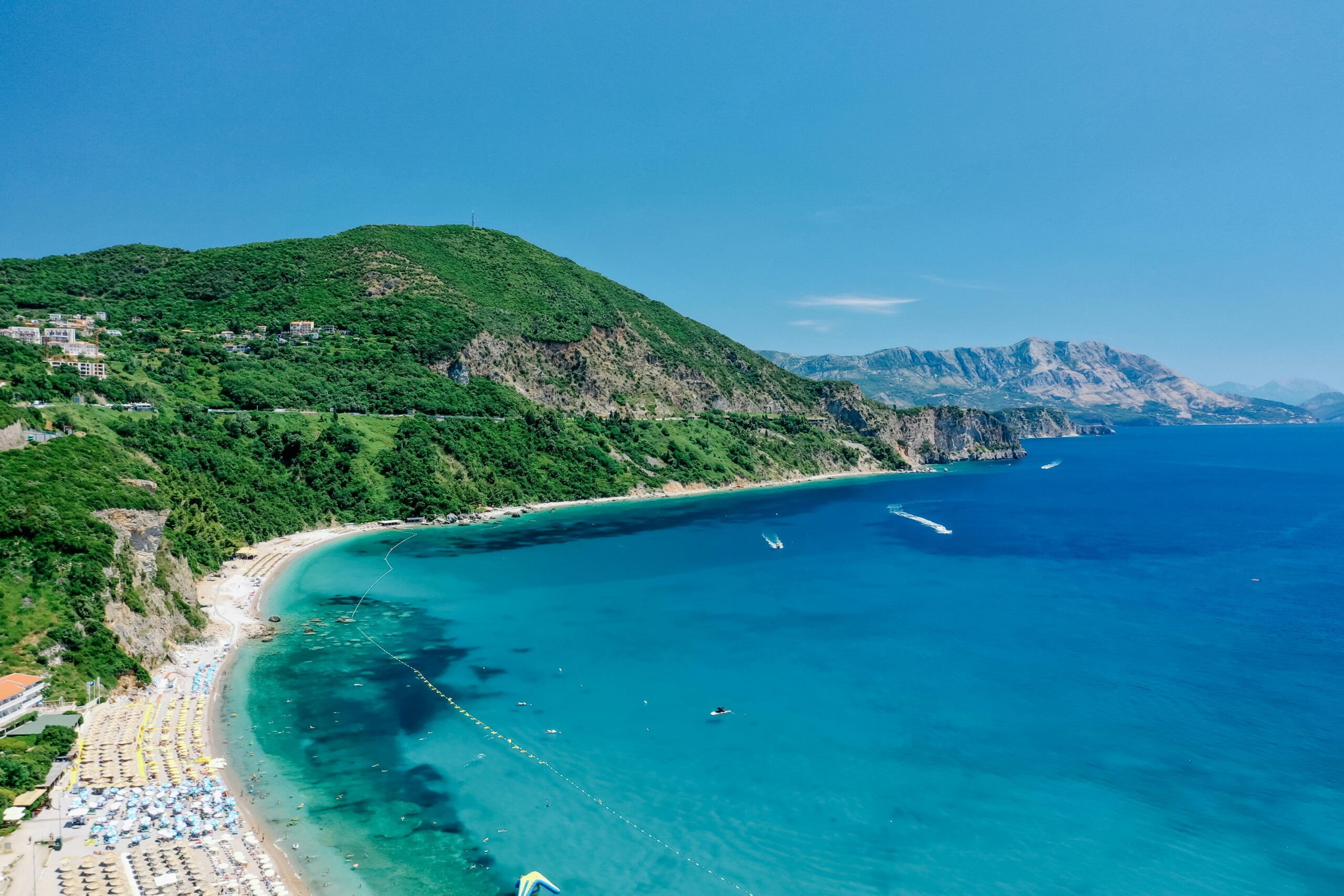
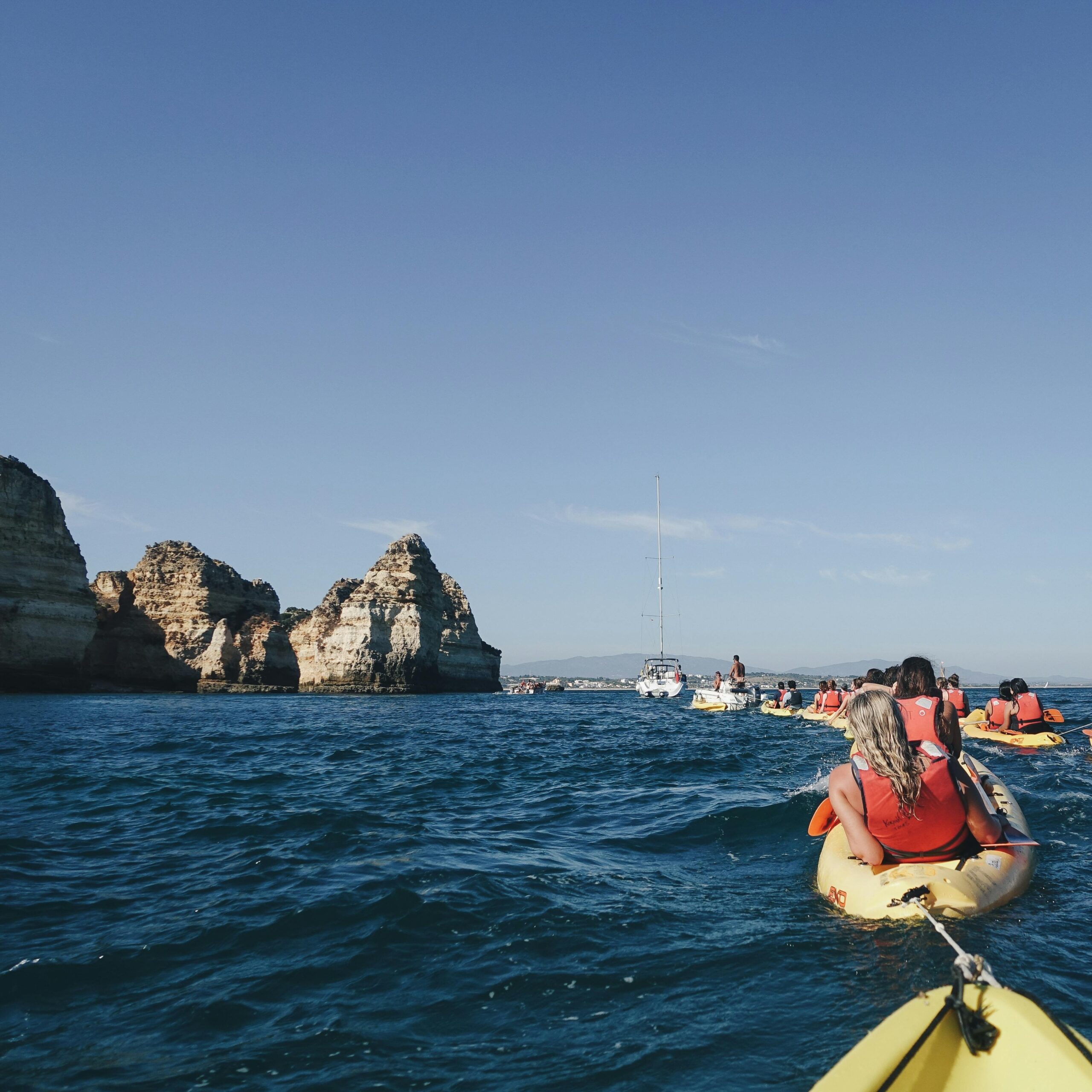
Students living in Kotor have access to numerous outdoor activities, including:
- Hiking in the surrounding mountains
- Swimming and kayaking in the bay
- Cycling along the coastal roads
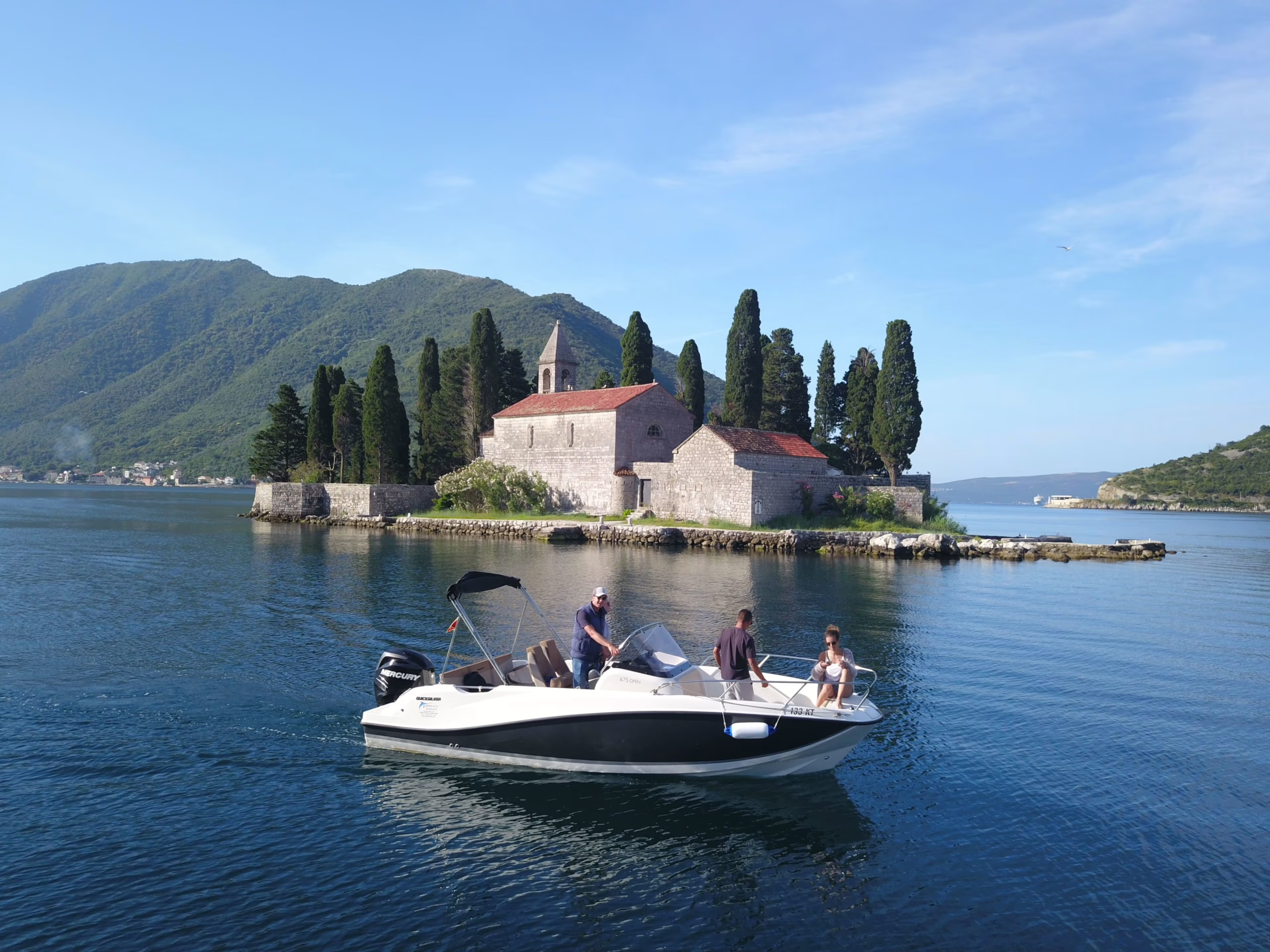
- Boat excursions around the Bay of Kotor
These activities contribute to the active and balanced lifestyle often associated with living in coastal Montenegro.
What to Eat and Drink
Montenegrin cuisine reflects both Mediterranean and Balkan culinary traditions.
Local Specialties
Students and visitors are encouraged to try:
- Mussels (dagnje), a local specialty of the Bay of Kotor
- Grilled sea bass or sea bream
- Njeguši prosciutto and traditional cheese
- Black risotto prepared with cuttlefish ink
Drinks
Popular beverages include:
- Nikšićko beer
- Vranac red wine
- Espresso or traditional Balkan coffee
- Rakija, a traditional fruit brandy
Desserts
- Krempita (cream pie with layered pastry)
- Priganice served with honey
Best Photo Locations
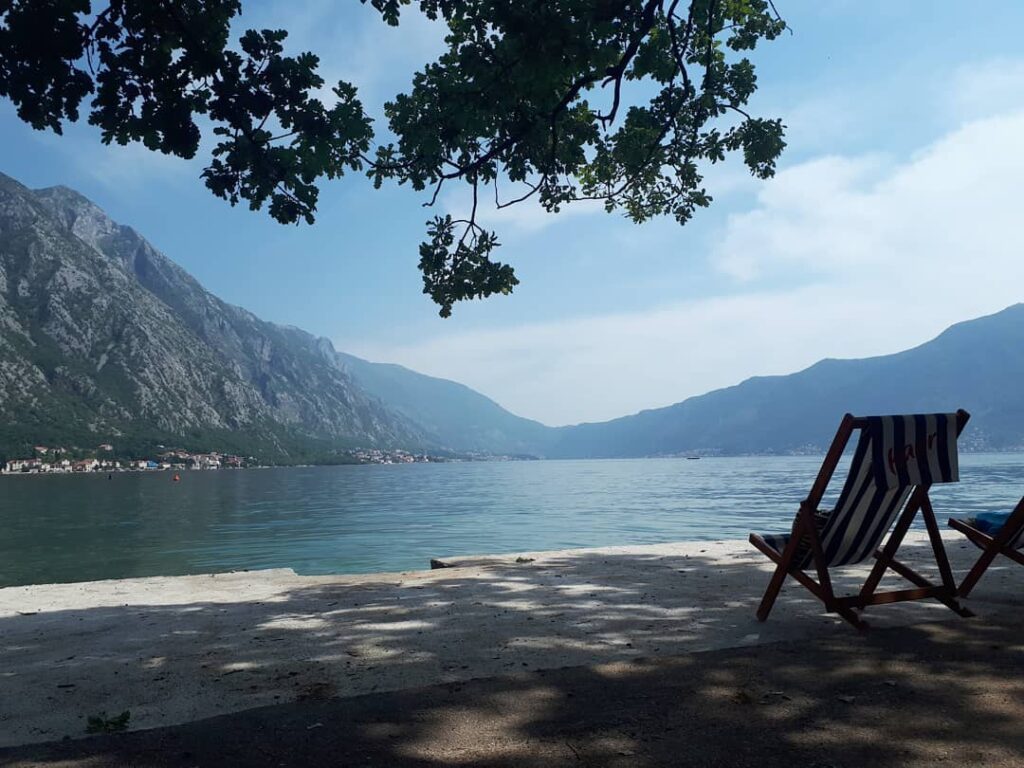
Popular photography locations in and around Kotor include:
- The North Gate and the Škurda River bridge
- Panoramic viewpoints along the city walls
- Lovćen mountain viewpoints accessible via the cable car
- Coastal promenades along the Bay of Kotor
Practical Information
- Comfortable walking shoes are recommended due to uneven stone streets.
- Sun protection and water are advisable during warmer months.
- The official currency in Montenegro is Euro (€).
- Credit cards are widely accepted, although some smaller cafés and shops may prefer cash.
We hope this guide helps you prepare for your stay and feel excited about your upcoming experience in Montenegro. Studying in Kotor offers not only quality education but also the opportunity to live in one of the most beautiful regions of the Adriatic. We look forward to welcoming you to ICEPS and wish you a successful and unforgettable study experience in Montenegro. 😊